
Should You Implement Weighbridge Software
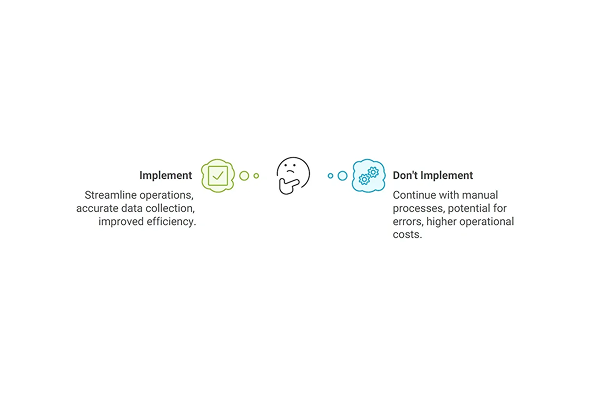
In industries that rely on precise weight measurements—such as logistics, agriculture, mining, and waste management—an efficient, accurate, and reliable weighbridge system is essential. Weighbridge management software takes this one step further, transforming traditional weighbridging processes into automated, streamlined workflows. But is it right for your business? Here’s a closer look at why implementing weighbridge management software could be a game-changer.
1. Enhanced Accuracy and Reduced Human Error
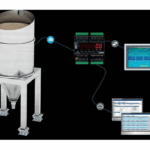
- In high-demand environments, a single miscalculation can lead to costly errors. Weighbridge management software captures data directly from weighbridge sensors, automatically recording weights with precision and reducing the risk of manual entry errors. This software also performs calculations and verifications instantly, ensuring your weighbridge data is both accurate and reliable.
2. Improved Efficiency and Faster Processing
- Weighbridge management software minimizes time-consuming manual processes, helping you move vehicles through the weighing process more quickly. By automating tasks like data entry, ticket generation, and reporting, you’ll experience shorter queues, quicker turnaround times, and an overall increase in productivity. For high-traffic sites, these efficiency gains can result in significant cost savings and improved customer satisfaction.
3. Real-Time Data and Remote Access
- One of the most powerful features of weighbridge management software is real-time data access. It allows managers and operators to view live data from any device with internet access. This remote accessibility is ideal for multi-location operations, giving you instant insights into vehicle weights, transaction history, and load details—whether you’re on-site or off-site.
4. Enhanced Security and Fraud Prevention
- Weighbridge fraud, such as under-reporting or manipulating weights, can lead to substantial financial losses. Weighbridge management software secures your data with role-based access controls and detailed audit trails, so you know who accessed or modified any record. Additionally, some systems include features like vehicle identification, RFID tracking, and automated cameras, adding an extra layer of protection to your operations.
5. Simplified Compliance and Quality Control
- Industries that operate under strict regulatory standards need reliable record-keeping to stay compliant. Weighbridge management software automatically logs transactions, maintains audit trails, and supports compliance reporting, making it easy to meet regulatory requirements. Whether your industry standards require NMI (National Measurement Institute) compliance or other certifications, weighbridge management software helps ensure all processes meet these quality benchmarks.
6. Customized Reporting and Data Analysis
- With weighbridge management software, generating customized reports is simple. You can view and export data on a daily, weekly, or monthly basis, or customize it to display specific insights, such as total weight moved, vehicle counts, and load times. This level of reporting gives you valuable insights for optimizing logistics, tracking performance, and making data-driven decisions that can boost profitability.
7. Streamlined Billing and Invoicing
- Weighbridge management software can also streamline the billing process by automating ticketing and invoicing. With accurate data captured at each stage, invoices can be generated based on the actual weight measurements, customer-specific pricing, or contractual terms. Automated invoicing reduces errors, saves time, and allows for more transparent transactions, which clients appreciate.
8. Maintenance Alerts and Equipment Monitoring
- Regular maintenance is key to weighbridge accuracy, and weighbridge management software can help by sending alerts when calibration or maintenance is due. It can track the performance of weighbridge components, alerting operators if equipment starts to underperform. This predictive maintenance feature minimizes downtime, extending the lifespan of your weighbridge.
Is Weighbridge Management Software Right for You?
If your business relies on weighbridging for high-stakes transactions, weighbridge management software is a smart investment. It enhances accuracy, security, and operational efficiency while offering real-time insights and support for compliance. Businesses that implement this software often report smoother workflows, fewer errors, and higher profitability.
Investing in weighbridge management software isn’t just about streamlining operations—it’s about transforming weighbridge management into a strategic asset that drives productivity and competitive advantage. If you’re ready to take the next step in weighbridge management, consider implementing this software to bring your business into the future of industrial weighing.



An Airborne Crisis on Two Fronts
This shortage is being seen in both the airline and the cargo industries. With such a small pool of applicants to choose from, these two sectors are battling to get the most qualified available candidates. Many pilots are increasingly being wooed to get behind the controls of passenger planes over cargo flights—frankly, it’s tough to compete with jobs perks like fixed schedules and free flights for your family across the world.
This is no anecdotal pilot shortage, either—the same problems are found on a global scale, with Boeing estimating an incredible shortage of 790,000 or more pilots across the world over the next two decades. In the shorter term, the domestic industry can expect more than 8,000 unfilled vacancies per year by 2020, and five years later that number could be higher than 12,000 pilot-less flights in need of help. This spells trouble for your supply chain because even if you don’t personally rely on flight to get items delivered, chances are at least one of your key suppliers does.
“And the day came when the risk to remain tight in a bud was more painful than the risk it took to blossom.” Tomas Reuss
Just as we’ve found with the truck driver shortage, the impetus behind skilled labor leaving is many-fold. Demographics play a large role—a massive amount of pilots are expected to hang up their hats in the next few years as they reach the mandatory commercial pilot retirement age of 65. And there’s no large group of applicants sitting waiting to replace them.This is likely because it’s becoming considerably more difficult to obtain a pilot license than it was ten years ago. After a 2009 Colgan Air crash, the US Federal Aviation Administration raised the requirements for an ATP certificate from 250 hours to a whopping 1,500 hours of training.