Why You Should Install Load Cells on Your Tanks and Hoppers
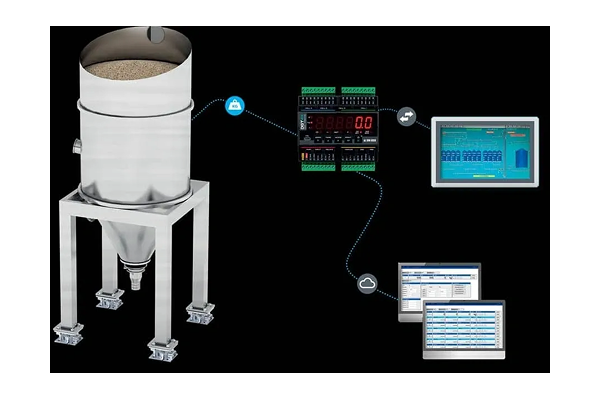
Why You Should Install Load Cells and a Weighing System on Your Tanks and Hoppers
In industries that deal with bulk materials, whether it’s food production, chemicals, pharmaceuticals, or construction, accurate and reliable measurement of contents is vital for optimizing operations. One of the best ways to achieve precise control over inventory, improve efficiency, and ensure product quality is by installing load cells and a weighing system on your tanks and hoppers.
But why exactly should you make this investment? In this blog, we’ll explore the numerous benefits of installing load cells and weighing systems on your tanks and hoppers, and how it can enhance your operation in terms of accuracy, safety, and cost-effectiveness.
1. Accurate Inventory Management
One of the most significant advantages of installing load cells on your tanks and hoppers is accurate and real-time inventory tracking. Load cells convert weight measurements into electrical signals, allowing you to monitor the exact amount of material in your tanks or hoppers at any given time. This precise data helps avoid issues like overfilling, underfilling, or wastage—ensuring that you are always on top of your inventory.
With a weighing system in place, you can better manage raw materials, track production rates, and reduce human errors associated with manual inventory management. Accurate weighing also helps prevent the loss of valuable materials, reducing costs and improving your overall profitability.
2. Improved Process Control and Efficiency
Whether you’re filling tanks with liquids, solids, or powders, the ability to measure weight accurately in real time is crucial for maintaining optimal production rates. By installing load cells and a weighing system, you gain the ability to control the flow of materials into and out of tanks and hoppers with great precision.
With automated weighing, processes such as batching, mixing, or filling can be more consistent, resulting in uniform product quality and fewer production errors. The real-time data also allows you to make immediate adjustments, further improving the efficiency of your processes. As a result, you’ll experience reduced downtime, fewer production stoppages, and an overall increase in throughput.
3. Ensures Consistent Product Quality
In industries like food production, pharmaceuticals, and chemicals, maintaining consistent product quality is critical. Small variations in the amount of raw materials or ingredients can affect the final product, leading to inconsistencies and potential quality control issues.
By installing load cells and a weighing system, you ensure precise measurement at every stage of production. This consistency in weight ensures that each batch of material meets the desired specifications, helping maintain high-quality standards and customer satisfaction. Furthermore, it minimizes the risk of producing faulty products or having to scrap batches due to improper material measurements.
4. Compliance with Industry Regulations
Many industries, especially those dealing with food, pharmaceuticals, or hazardous materials, are subject to strict regulatory standards regarding weight and volume measurements. Having an accurate and reliable weighing system installed on your tanks and hoppers can help ensure compliance with these regulations.
For example, in the food and beverage industry, regulatory bodies often require precise measurements to ensure that products meet labeling and packaging standards. A reliable weighing system can provide data logs and documentation that demonstrate compliance, reducing the risk of fines or penalties. This also helps avoid potential legal issues related to non-compliance and ensures that your operations stay on the right side of regulations.
5. Cost Savings and Waste Reduction
Incorrect measurements can result in waste of valuable materials, both in terms of overproduction or underproduction. Overfilling a tank or hopper can lead to costly product loss, while underfilling can result in insufficient product availability, delays, or customer dissatisfaction. By incorporating load cells into your tanks and hoppers, you can ensure that every batch or delivery is as close to the target weight as possible.
This level of precision helps you reduce material waste, prevent over-ordering, and ensure that production runs efficiently without unnecessary downtime. Additionally, accurate measurements help prevent the need for rework, saving both time and money on labor and resources.
6. Improved Safety and Risk Mitigation
Managing heavy materials in tanks and hoppers always comes with safety risks, especially when dealing with volatile or hazardous substances. Load cells can play a crucial role in minimizing these risks. By providing continuous monitoring of weight, you can ensure that tanks or hoppers are not overfilled, which could lead to dangerous situations such as spills, overflows, or system failures.
In addition, many modern weighing systems are equipped with features that can trigger alarms if a load is nearing a dangerous level, allowing operators to take action before a problem occurs. This proactive approach improves safety across the entire operation, protecting both personnel and equipment.
7. Enhanced Traceability and Reporting
Modern weighing systems often come with data logging and reporting capabilities that allow you to track and trace the weight of materials in your tanks and hoppers over time. These systems can generate reports that provide detailed insights into your operations, helping you analyze trends, monitor performance, and identify areas for improvement.
With such detailed data at your fingertips, you can make more informed decisions about your production processes, optimize inventory management, and improve forecasting. Additionally, having access to historical data can be invaluable for audits, quality checks, and meeting regulatory requirements.
8. Easy Integration with Other Systems
Most load cell-based weighing systems can be seamlessly integrated with other automation systems, such as your warehouse management software, ERP system, or control systems. This integration allows for automated data transfer between systems, making your processes even more streamlined and efficient.
For example, weight data can be automatically transmitted to your central database or control system, triggering subsequent actions like adjusting the flow rate, notifying personnel of deviations, or updating inventory records. This level of automation helps reduce manual intervention and improves the overall efficiency of your operation.
9. Scalability and Flexibility
As your business grows, you may need to expand your operations. Installing load cells and a weighing system provides you with a scalable solution. Whether you add more tanks, hoppers, or entire production lines, your weighing system can be easily expanded and adapted to meet these growing demands.
Many weighing systems are modular, meaning you can customize the setup to suit your specific needs, whether you’re dealing with large tanks, smaller vessels, or different types of materials. This flexibility ensures that your weighing system remains efficient and effective as your business evolves.
Conclusion
Installing load cells and a weighing system on your tanks and hoppers is a wise investment that offers significant benefits for accuracy, efficiency, safety, and cost control. From improving inventory management and product consistency to ensuring compliance and reducing waste, the advantages of using a weighing system are clear. These systems provide the data and control needed to optimize your processes, enhance safety, and boost profitability.
If you’re looking to take your operations to the next level, consider installing load cells and a reliable weighing system on your tanks and hoppers. It’s a simple yet effective way to ensure precision, improve safety, and support your long-term business goals.